Website of the Gods!!!

This is a blog of the gods, Ancient Rome, the Gallic Wars, translations, and other Latiny stuff!

Thursday, November 12, 2009

Temple of Sol and Luna-Where


This was the ancient temple of the Sun and Moon, and was built on the south side of the seating of the Circus Maximus. A statue of the Sun, most likely driving a chariot, topped this structure. Edgyptian obelisks were later added by Augustus and Constantius II to give honor to the Sun. For Romans, obelisks symbolized sunbeams. August 24th was the temple's festival day.

Picture: http://www.romereborn.virginia.edu/ge/TS-056.html

Wednesday, November 11, 2009

Battle of Panormus-251 BC-When


The Battle of Panormus was during the First Punic War. The Roman army was led by the Lucius Caecilius Metellus against Hasdrubal of the Carthaginians. The battle was won by the Romans, who continued to keep Panormus for the rest of the war. The Romans had retreated behind the wall of Panmormus, but light soldiers were sent to take down the elephants. The elephants were confused and fled. After the elephants left, Rome hit the Carthaginian army on its flank, scattering the army. The Romans did not pursue, but caught all the elephants left, and then sacrificed them in the circus. This defeat was the end of significant Carthaginian land campaigning in Sicily.

Picture:http://llamabutchers.mu.nu/Zama.jpg

Tuesday, November 10, 2009

Nymphs-What


The nymphs were female nature spirits. They were minor nature goddesses that existed throughout the universe. The rank of the nymph was below the gods, but nymphs were able to attend assemblies at Olympus. The nymphs presided over natural phenomena. Nymphs are responsible for the plants and animals of their domain. Because of this, they were associated with prime gods like Hermes, Dionysus, Artemis, Poseidon, and Demeter. An example of a type of nymphs were the Anthousai, the nymphs of flowers.

Picture: http://coromandal.files.wordpress.com/2009/08/waterhouse_hylas_and_the_nymphs3.jpg

Monday, November 9, 2009

Harpies-Who


The Harpies were spirits of sudden, sharp gusts of wind. These were the hounds of Zeus, who were dispatched by him to snatch people and things from the earth. Quick, mysterious disappearances were often attributed to the Harpies. The Harpies were often depicted as winged women, sometimes with ugly faces and the lower bodies of birds. Zeus once sent the Harpies to plague King Phineus of Thrake as punishment for revealing the secrets of the gods. Whenever food was sent before him, the Harpies would take it from him.

Picture: http://www.theoi.com/image/img_harpyiai.jpg

Friday, November 6, 2009

Why Atlas Holds Up the Sky


Atlas was a second-generation Titan. Atlas was the personification of the quality endurance. Atlas, though, made the mistake of leading the Titans in a rebellions against Zeus. Zeus then punished Atlas by condemning him to bear the heavens upon his shoulders. Atlas also had to spin the Earth on its axis. Homer suggests that he was released from this labor and appointed keeper of the pillars of heaven. Because of his labors, Atlas became the constellation Kneeler.

Picture: http://neoshinka.files.wordpress.com/2008/09/hokuto-no-ken_2_the-farnese-atlas400.jpg

Thursday, November 5, 2009

Altar of Hercules-Where


This altar is also known as the Altar of Unconquered Hercules. The altar was located in the Forum Boarium. This was Hercules' earliest cult-center. This altar was made by King Evander after Hercules slayed Cacus, who had stolen Hercules cattle. The festival day was August 12, and in 312 BC, the state took over the altar. Women were not allowed in the cult, dogs were not allowed in the precinct. Remains of the pavement survive in the crypt behind the Church of S. Maria in Cosmedin.

Picture: http://www.shoshone.k12.id.us/greek/images/hercules.jpg

Wednesday, November 4, 2009

The Gallic Wars-58 through 51 BC-When

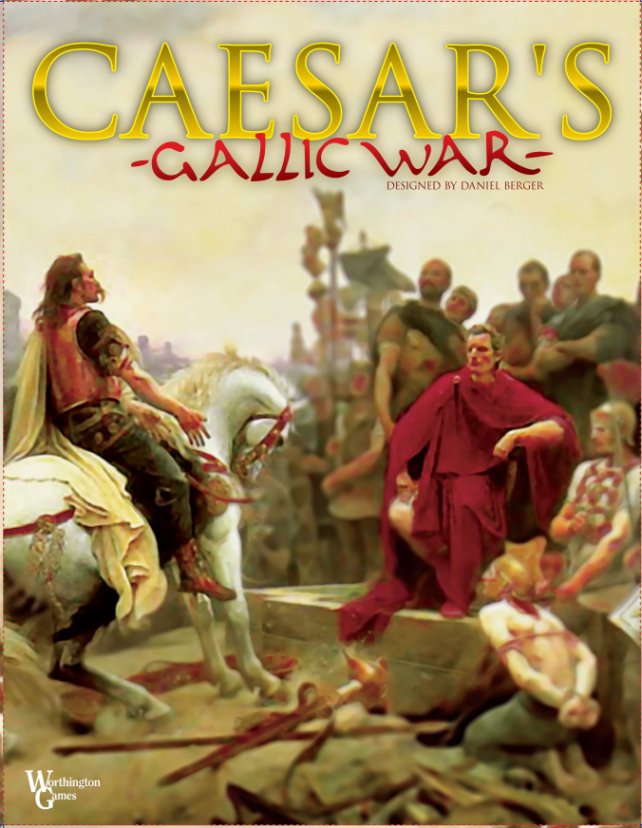
The Gallic Wars was a series of military campaigns led by Caesar against several of the Gallic tribes. These wars last from 58-51 BC. The most decisive of the battles of the Gallic Wars was the Battle of Alesia in 52 BC. This victory led to the expansion of the Roman Republic over all of Gaul. This victory paved Caesar's way to becoming the sole ruler of the Roman Republic. Caesar made these wars seem like pre-emptive and defensive, but most historians agree that these wars were fought to Caesar to get out of hi debt and jumpstart his political career. Caesar kept hiss account of this war in his book Commentarii de Bello Gallico. Caesar used "divide and conquer" as his way of thinking for the War, and this was successful.


Pictures: http://www.uoregon.edu/~klio/maps/rr/GallicWarmap.gif
http://images.encyclopedia.com/getimage.aspx?id=2795485&hero=yes

Tuesday, November 3, 2009

Reliable Vs. Nonreliable Sources

1. http://www.unrv.com/empire/gallic-sack-of-rome.php-RELIABLE-Story can be authenticated, writer known, sources listed in Bibliography at link: http://www.unrv.com/bibliography.php
This link also speaks about the writer.
2. http://www.ambafrance-uk.org/History-The-Gauls-and-the-Romans.html-RELIABLE-French Embassy Source, with links to the Embassy
3. http://www.megaessays.com/viewpaper/54837.html-NONRELIABLE-Trying to sell stuff.

Monday, November 2, 2009

Alcyoneus-Who


Alcyoneus was the oldest of the Thrakian Gigantes. Alcyoneus was immortal, but only in his homeland, Pallene. When Herakles came across him in his travels, he saw that Alcyoneus was asleep. Herakles then clubbed him or shot him with a volley of arrows, then dragged the wounded Alcyoneus out of Pallene to die. Once out of the confines of Pallene, Alcyoneus lost his immortality and died.
Alcyoneus' seven daughters were transformed into kingfishers.

Picture: http://www.theoi.com/Gigante/GiganteAlkyoneus.html

Friday, October 30, 2009

Centaur-Special Halloween Post


Centaurs are half man (top 1/2), half horse (bottom 1/2) creatures of mythology. Besides Chiron (who trained great heroes), they are best known for the famous battle when they were pushed from their home in Thessaly to Mount Pindus.
Ixion was in love with Hera. This made Zeus jealous. Zeus made a likeness of Hera out of a cloud called Nepheles. Ixion thought this was Hera and made love to her. Their offspring was Centaurus, who mated with the mares of Thessaly to produce centaurs.

Picture: http://www.melaniereinhart.com/melanie/images/CentaurRenee_000.jpg

Thursday, October 29, 2009

The Griffin-Halloween Post-Special Edition


The griffin is a mythological beast with the head and wings of an eagle and the body of a lion. These beasts guarded gold deposits on northern and eastern mountains. The griffins had one eyed neighbors, the Skythian Arimasp tribe. The griffins battled them for riches. Griffins were in Greek art, medieval bestiaries, and heraldic devices.

Picture: http://www.pantheon.org/areas/gallery/folklore/folklore/griffin.gif

Wednesday, October 28, 2009

Vitruvius-Architect!


Vitruvius Pollio was a Roman architect, engineer, and author of De architectura (On Architecture), a handbook for Roman Architects. Little is known of his life, but Vitruvius is thought to have dedicated hi works to Augustus, and thought to have been alive during Caesar's rule. The treatise was conceived after 27 BC. Vitruvius tells of the basilica he built in Fanum, now Fano.
De architectura was based on personal experience and from theoretical from Greek architects such as Hermogenes. The handbook details almost every aspect of architecture, but lacks, because it is based on Greek models, and Rome soon departs from Greek architecture as it becomes a world power. The treatise is divided into 10 books, and details city planning and architecture in general. Vitruvius wished to preserve the classical tradition for temples and public buildings, but could not, as Rome moved on to making it's own unique architectural styles.
Leonardo Da Vinci's "Vitruvian Man" is based on De architectura, which details proportions of the human body.

Picture: http://www.antient.org/temples_files/vitruvius.jpg

Tuesday, October 27, 2009

Latin Chapter 25 Optional Review

Optional Exercises for Chapter 25

  1. Laudo, laudare, laudavi, laudatus
  2. Fut Active Inf
  3. Perf Passive Inf
  4. The infinitive subject agrees
  5. To have_____
  6. (1) To have moved

(2) To have been moved

(3) To be about to move

(4) To be moved

(5) To be said

(6) To be known

(7) To be saved

(8) To be seized

(9) To be sent

(10) To have believed

(11) To have destroyed

(12) To have drawn

(13) To have touched

(14) To have loved

(15) To have conquered

(16) To have lived

(17) To have been drawn

(18) To have been seen

(19) To have been seized

(20) To have been sent

(21) To have been sought

(22) To have been expelled

(23) To have been left

(24) To have been given

(25) To be about to give

(26) To be about to turn

(27) To be about to press

(28) To be about to seize

(29) To be about to order

(30) To be about to touch

  1. A direct statement often includes a quote, and an indirect statements does not and includes the word "that"
  2. say, knowing thinking and perceiving
  3. The infinitive with sub acc
  4. accusative
  5. No
  6. The perfect infinitive

Monday, October 26, 2009

Latin Chapter 24 Optional Review

Optional Exercises for Chapters 24

  1. (1) A noun or pronoun and a modifying participle in the ablative case

(2) No

  1. (1)absolutum-loosened from, separated

(2) A comma, which separates in from the sentence

  1. No, because it is better style to transform the phrase into a clause
  2. With, since, when, if, although
  3. (1) Incorrect, because "eam" is the object for which the ablative absolute noun is used

(2) Incorrect, because the passive is being used

(3) Correct

(4) Correct

  1. (1) Passive Periphrastic

(2) It agrees with "sum"

(3) Debeo + infinitive

  1. (1) Dative

(2) A me

  1. If these two men hold command, the state will be strong.
  2. This famous had been reported, the king relinquished the city without delay.
  3. When every desire for money and power is expelled out of his soul, that leader will conquer himself.
  4. Our desire for evil events must be conquered if we desire to lead a good life.
  5. The citizens love their country, we have great hopes.
  6. All citizens kept fearing the tyrant of yours, who had to be banished.
  7. When I overcame the tyrant, the citizens regained their liberty and rights.
  8. After a tyrant has been expelled, another tyrant often gains power.

Thursday, October 22, 2009

List of Picture Links

List of Picture links:

Latin Project Pictures


Virgil's 4th Eclogue-The Golden Age Returns (21)

Latin Project Pictures


Caesar's Camp is Attacked by Belgians (24)

Latin Project Pictures


The Character of Catiline's Followers (25)

Latin Project Pictures


Sorry, Mr. Wojo, you said you wanted this all as a single blog post, but Blogger is only letting me post 5 pictures at a time.

CICERO REPORTS HIS VICTORY OVER CATILINE (22)


2nd Latin Project-Content

Part I

    CICERO REPORTS HIS VICTORY OVER CATILINE (22)

    The state, oh citizens, all your life, good, fortune, the house of the senate and this beautiful city, through my labor, counsel, and my danger I have snatched from the fire and sword. Now, oh, citizens, because bad leaders soon captured hold bad war, you ought to think of your good hope. Catiline has been expelled out of the middle of the city. This man was feared by all, for as long as he was contained in the walls of the city. Now that man so bitter, so daring, so watchful in crime, so diligent in evil affairs, has been removed. Although all these men, oh citizens, have been taken care of by me, nevertheless they have seem to have been enacted and foreseen by the power and plan of the immortal gods. For many times the immortal gods nourished the hope and faith of this republic. At this time especially you ought to give the most splendid thanks to them. In fact you have been snatched away from most brutal and miserable death, and you have been snatched away without murder, without blood and without an army. Our deeds, citizens, will be nourished by your memory; your praise, reputation, and glory will make them strong; they live on in and will be maintained by your letters. We will be able to be in perpetual peace, citizens.

    Verb Parsing

  1. Cogitare-present active infinitive meaning "to think"
  2. Espulsus est-3rd person singular perfect passive indicative of "expellere" meaning "to expel"
  3. Timebatur-3rd person singular imperfect active indicative of "timere" meaning "to fear"
  4. Continebatur-3rd person singular imperfect active indicative of "continere" meaning "to contain"
  5. Manebunt-3rd person plural future active indicative of "manere" meaning "to remain"
  6. Mittetur-3rd person singular future passive indicative of "mittere" meaning "to throw"
  7. Videntur-3rd person plural present passive indicative of "videre" meaning "to seem"
  8. Esse-present active infinitive meaning "to be"
  9. Aluerunt-3rd person plural present active indicative of "alere" meaning "to nourish"
  10. Agere-present active infinitive meaning "to drive"

THE CHARACTER OF CATILINE'S FOLLOWERS (25)

But for what reason for a long time we speak of one enemy, and he says that down from his enemy who is now your enemy, and that , which lies between the city wall, I do not fear: concerning this man, who in the middle of the city, who are with us, we say nothing? I will truly explain to you all, oh citizens, the human origin out of this man are prepared plenty. The origin itself is truly in great debt, they have property, induced by love of which I free from debt they are not merely able to. But I do not think that is human fear, which I have dissuaded from your wisdom, they are able to.

The other origin is itself that, though foreign money are pressed, nevertheless, they expect command and also that honor, the state is troubled, I seek that they think of it to be able. He hopes for this which is not. For this he has been understood that: first of all to be vigilant, to be awake, to be present to help, to provide for the government; then the great soul is to be in a good man, great harmony of rank, very great multitude, great military supply; finally, these immortal gods of these everlasting people, a clear command, beautiful city of so great strength that gives help against evil. Do they hope that the city will be in ashes and in blood citizesn of the consul or dictators or hope you rule the future?

Verb Parsing

  1. Dicimus-1st person plural present active indicative of "dicere" meaning "to say"
  2. Dicit-3rd person singular present active indicative of "dicere" meaning "to say"
  3. Interest-3rd person singular present active indicative of "intersum" meaning "to concern"
  4. Timeo-1st person singular present active indicative of "timere" meaning "to terrify"
  5. Sunt-3rd person plural present active indicative of "esse" meaning "to be"
  6. Dicimus-1st person plural present active indicative of "dicere" meaning "to say"
  7. Parantur-3rd person plural present passive indicative of "parare" meaning "to prepare"
  8. Est-3rd person singular present active indicative of "esse" meaning "to be"
  9. Habent-3rd person plural present active indicative of "habere" meaning "to have"
  10. Possunt-3rd person plural present active indicative of "posse" meaning "to be able to"

Part II

THE CHARACTER OF CATILINE'S FOLLOWERS (25)

But for what reason for a long time we speak of one enemy, and he says that down from his enemy who is now your enemy, and that , which lies between the city wall, I do not fear: concerning this man, who in the middle of the city, who are with us, we say nothing? I will truly explain to you all, oh citizens, the human origin out of this man are prepared plenty. The origin itself is truly in great debt, they have property, induced by love of which I free from debt they are not merely able to. But I do not think that is human fear, which I have dissuaded from your wisdom, they are able to.

The other origin is itself that, though foreign money are pressed, nevertheless, they expect command and also that honor, the state is troubled, I seek that they think of it to be able. He hopes for this which is not. For this he has been understood that: first of all to be vigilant, to be awake, to be present to help, to provide for the government; then the great soul is to be in a good man, great harmony of rank, very great multitude, great military supply; finally, these immortal gods of these everlasting people, a clear command, beautiful city of so great strength that gives help against evil. Do they hope that the city will be in ashes and in blood citizesn of the consul or dictators or hope you rule the future?

Verb Parsing

  1. Dicimus-1st person plural present active indicative of "dicere" meaning "to say"
  2. Dicit-3rd person singular present active indicative of "dicere" meaning "to say"
  3. Interest-3rd person singular present active indicative of "intersum" meaning "to concern"
  4. Timeo-1st person singular present active indicative of "timere" meaning "to terrify"
  5. Sunt-3rd person plural present active indicative of "esse" meaning "to be"
  6. Dicimus-1st person plural present active indicative of "dicere" meaning "to say"
  7. Parantur-3rd person plural present passive indicative of "parare" meaning "to prepare"
  8. Est-3rd person singular present active indicative of "esse" meaning "to be"
  9. Habent-3rd person plural present active indicative of "habere" meaning "to have"
  10. Possunt-3rd person plural present active indicative of "posse" meaning "to be able to"
Part III

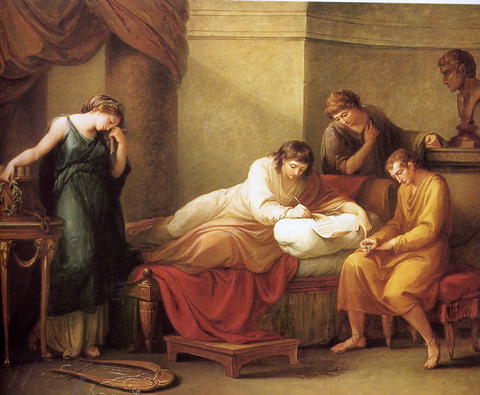
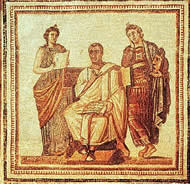
    VIRGIL'S 4TH ECLOGUE-THE GOLDEN AGE RETURNS (21)

    Now a new great age begins. The boy is being born and a golden age comes. The grave world will be free from fear. This boy will see the gods and take the life of the gods, and he himself will be seen as that. The ancient world will rule with power. Also at the same time he will be able to you praise him and to obey their parents and to know virtue, good fields will prepare good fruit for all mankind. They will remain yet little fault when humans try to test the sea, when humans will order to surround the cities with walls. There will be peace instead of war, also again great Achilles will be sent from Troy. Where then this young man will have made a strong age, the sea will be left behind to the passengers, nor the sailors riches the merchandise will change. The strong farmer will bull from the yoke; no earth will be touched by the rake; all of earth will bear all.

    Verb Parsing

  1. Incipit-3rd person singular present active indicative of "incipere" meaning "to begin"
  2. Erunt-3rd person plural future active indicative of "esse" meaning "to be"
  3. Venit-3rd person singular present active indicative of "venire" meaning "to come"
  4. Liberabitur-3rd person singular future passive indicative of "liberare" meaning "to free"
  5. Videbit-3rd person singular future active indicative of "videre" meaning "to see"

  6. Videbitur-3rd person singular future passive indicative of "videre" meaning "to seem"
  7. Reget-3rd person singular future active indicative of "regere" meaning "to direct"
  8. Feret-3rd person singular future active indicative of "ferre" meaning "to bring"
  9. Poterit-3rd person singular future active indicative of "posse" meaning "to be able to"
  10. Parabunt-3rd person plural future active indicative of "parare" meaning "to prepare"