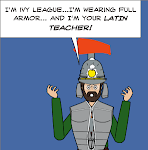
I couldn't get it to embed correctly, so here's the link!
http://www.xtranormal.com/watch?e=20090507175015334
Thursday, May 7, 2009

Monday, May 4, 2009
Famous Romans-Gaius Marius

Gaius Marius organized Rome's army into the most effective fighting machine on earth. At some times it appeared nothing could stop the mighty force of his Roman legions. Marius changed the way the army organized itself. men from the provinces could now sign up for military service, and in time they would become Roman citizens. Marius also granted land to those war veterans in reward for their services. Marius won famous battles with this army. Most famous of these are the Aquae Sextiae and Campi Raudii, where he ensured that the barbarians from the north were kept out of Rome.
Roman Slavery
 Roman slavery differed from the slavery of ancient Greece. For one, Roman masters held more power over their slaves. This included, by law, the power over life and death. Slavery was also far more necessary to the economy and social system of Rome, especially during the empire, than ancient Greece. Wealthy Romans often relied on many slaves to maintain efficient operation of these households. Imperial conquests and expansion strained the Roman citizen workforce, so great numbers of foreign slaves were needed to be imported to fill agricultural labor needs. The primary source of these slaves was through warfare. Tens of thousands of captured prisoners were brought to Rome as slaves. Other sources were through debtors, who sold themselves or their family into slavery. Also, persons convicted of serious crimes were made slaves. This dependancy on slavery contributed significantly to Rome's downfall.
Cumulative Vocab Test-Freshman Year
1. pronuntio-to pronounce
2. prohibeo-to prohibit
3. odi-defective verb (only in perfect) meaning "to hate"
4. discedo-to depart
5. defendo-to defend
6. parare-to prepare
7. liberare-to free
8. delectare-to delight
9. iam-soon
10. contra-against
11. videor-to seem
12. movere-to move
13. miscere-to mix
14. legere-to pick out
15. fluere-to flow
16. recitare-to recite
17.neglegere-to neglect
18. navigare-to navigate
19. incipio-to begin
20. desidero-to desire
21. regere-to rule
22. quam-which
23. senex-old man
24. potens-able
25. omnes-all
26. timere-to frighten
27. iacere-to throw
28. expectare-to expect
29. commitere-to commit
30. itaque-and so
31. vitare-to shun
32. tenere-to hold
33. mutare-to change
34. currere-to run
35. apellare-to speak to
36. stare-to stand
37. iungere-to join
38. deligero-to esteem
39. allere-to nourish
40. olim-for a long time
41. creare-to create
42. cadere-to fall
43. amittere-to lose
44. nuper-recently
45. diu-while
46. sentire-to feel
47. mittere-to send
48. intellegere-to understand
49. etiam-even
50. bene-well
51. vivere-to live
52. invenio-to come upon
53. fugere-to flee
54. facere-to make
55. dicere-to speak
56. nimis-too
57. in-into
58. enim-truly
59. uter-either
60. unus-one
61. vincere-to conquer
62. trahere-to draw
63. scribere-to write
64. gerere-to carry on
65. ducere-to lead
66. necare-to kill
67. audere-to dare
68. sub-under
69. post-after
70. novus-new
71. tollero-to endure
72. posse-to be able to
73. quare-which
74. nunc-now
75. ibi-there
76. superare-to be above
77. remanere-to remain
78. culpare-to blame
79. ceno-to dine
80. tum-then
81. sum-to be
82. iuvare-to help
83. verus-true
84. stultus-foolish
85. parvus-few
86. satiare -to satisfy
87. habere-to hold
88. semper-always
89. hodie-today
90. in-in
91. est-is
92. sine-without
93. O!-Oh!
94. sed-but
95. et-and
96. vocare-to summon
97. videre-to see
98. valere-to be strong
99. terrere-to terrify
100. convervare-to preserve
*101*-servare-to preserve
2. prohibeo-to prohibit
3. odi-defective verb (only in perfect) meaning "to hate"
4. discedo-to depart
5. defendo-to defend
6. parare-to prepare
7. liberare-to free
8. delectare-to delight
9. iam-soon
10. contra-against
11. videor-to seem
12. movere-to move
13. miscere-to mix
14. legere-to pick out
15. fluere-to flow
16. recitare-to recite
17.neglegere-to neglect
18. navigare-to navigate
19. incipio-to begin
20. desidero-to desire
21. regere-to rule
22. quam-which
23. senex-old man
24. potens-able
25. omnes-all
26. timere-to frighten
27. iacere-to throw
28. expectare-to expect
29. commitere-to commit
30. itaque-and so
31. vitare-to shun
32. tenere-to hold
33. mutare-to change
34. currere-to run
35. apellare-to speak to
36. stare-to stand
37. iungere-to join
38. deligero-to esteem
39. allere-to nourish
40. olim-for a long time
41. creare-to create
42. cadere-to fall
43. amittere-to lose
44. nuper-recently
45. diu-while
46. sentire-to feel
47. mittere-to send
48. intellegere-to understand
49. etiam-even
50. bene-well
51. vivere-to live
52. invenio-to come upon
53. fugere-to flee
54. facere-to make
55. dicere-to speak
56. nimis-too
57. in-into
58. enim-truly
59. uter-either
60. unus-one
61. vincere-to conquer
62. trahere-to draw
63. scribere-to write
64. gerere-to carry on
65. ducere-to lead
66. necare-to kill
67. audere-to dare
68. sub-under
69. post-after
70. novus-new
71. tollero-to endure
72. posse-to be able to
73. quare-which
74. nunc-now
75. ibi-there
76. superare-to be above
77. remanere-to remain
78. culpare-to blame
79. ceno-to dine
80. tum-then
81. sum-to be
82. iuvare-to help
83. verus-true
84. stultus-foolish
85. parvus-few
86. satiare -to satisfy
87. habere-to hold
88. semper-always
89. hodie-today
90. in-in
91. est-is
92. sine-without
93. O!-Oh!
94. sed-but
95. et-and
96. vocare-to summon
97. videre-to see
98. valere-to be strong
99. terrere-to terrify
100. convervare-to preserve
*101*-servare-to preserve
Thursday, April 30, 2009
Chapter 20 Test-???
2. Oedipus duobus oculis se privavit
Oedipus deprived himself of his own two eyes
Oedipus=Nominative singular
Oculis= Acc. Pl.=direct object
Privavit=3rd person singular perfect active indicative of "privare" meaning "to deprive"
Duobus=two=Acc. Pl.
Se="his own"=reflexive pronoun
4. Demosthenes multos versus uno spiritu pronuntiabat
Demosthenes pronounced many lines of verse in one spirit.
Demosthenes-Nominative singular
pronuntiabat-3rd person singular imperfect active indicative of "pronuntiare" meaning "to pronounce"
multos-Accusative plural
versus-Accusative plural
uno-ablative singular
spiritu-ablative singular
6. Iste communi sensu caret
This man lacks common sense.
Iste-Nominative singular
caret-3rd person singular present active indicative of "carere" meaning "to lack"
communi-Singular accusative
sensu-singular accusative
8. Nullus accusator caret culpa; omnes peccavimus
No accuser lacks fault; we have all sinned.
accusator-singular nominative
caret-3rd person singular present active indicative of "carere" meaning "to lack"
nullus-nominative singular
culpa-accusative singular
omnes-nominative plural
peccavimus-1st person plural perfect active indicative of "peccare" meaning "to sin"
10. Prima virtus est vitio carere.
The first virtue is to not lack virtue.
prima-nominative singular
virtus-nominative singular
est-3rd person singular present active indicative of "esse" meaning "to be"
carere-infinitive meaning "to lack"
12. Magni tumultus urbem eo tempore miscebant.
Great uprisings are disturbing the city at the time.
Oedipus deprived himself of his own two eyes
Oedipus=Nominative singular
Oculis= Acc. Pl.=direct object
Privavit=3rd person singular perfect active indicative of "privare" meaning "to deprive"
Duobus=two=Acc. Pl.
Se="his own"=reflexive pronoun
4. Demosthenes multos versus uno spiritu pronuntiabat
Demosthenes pronounced many lines of verse in one spirit.
Demosthenes-Nominative singular
pronuntiabat-3rd person singular imperfect active indicative of "pronuntiare" meaning "to pronounce"
multos-Accusative plural
versus-Accusative plural
uno-ablative singular
spiritu-ablative singular
6. Iste communi sensu caret
This man lacks common sense.
Iste-Nominative singular
caret-3rd person singular present active indicative of "carere" meaning "to lack"
communi-Singular accusative
sensu-singular accusative
8. Nullus accusator caret culpa; omnes peccavimus
No accuser lacks fault; we have all sinned.
accusator-singular nominative
caret-3rd person singular present active indicative of "carere" meaning "to lack"
nullus-nominative singular
culpa-accusative singular
omnes-nominative plural
peccavimus-1st person plural perfect active indicative of "peccare" meaning "to sin"
10. Prima virtus est vitio carere.
The first virtue is to not lack virtue.
prima-nominative singular
virtus-nominative singular
est-3rd person singular present active indicative of "esse" meaning "to be"
carere-infinitive meaning "to lack"
12. Magni tumultus urbem eo tempore miscebant.
Great uprisings are disturbing the city at the time.
Wednesday, April 29, 2009
Chapter 20-S.A.
Horns defend the stag from danger.
Oedipus deprived himself of his two eyes.
In the Persian War, Themistocles freed Greeks from servitude.
Demosthenes used to pronounce many lines of verse in one spirit.
I hate Persian pomp.
That man lacks common sense.
Old age deprives us of all pleasures and is not long absence from death.
No accusers lack blame: we all have sinned.
No part of life is able to be free from duty.
The first strength is to lack vice.
A man free from sin does not need a javelin, nor a bow.
Great uprising were disturbing the city at that time.
A letter to the senate and people of Allobroges had been written by the hands of the conspirators.
Oedipus deprived himself of his two eyes.
In the Persian War, Themistocles freed Greeks from servitude.
Demosthenes used to pronounce many lines of verse in one spirit.
I hate Persian pomp.
That man lacks common sense.
Old age deprives us of all pleasures and is not long absence from death.
No accusers lack blame: we all have sinned.
No part of life is able to be free from duty.
The first strength is to lack vice.
A man free from sin does not need a javelin, nor a bow.
Great uprising were disturbing the city at that time.
A letter to the senate and people of Allobroges had been written by the hands of the conspirators.
Tuesday, April 28, 2009
Latin-Chapter 20 Optional Exercises
1. (1) object (2) of (3) by/with/from (4) subject (5) object (6) to/for
2. (1) manui- to/for the hand (2) manus- gen sing ,the hand (3) manuum- gen pl of the hands (4)manu- ab, by/with/from the hand (5)manus gen, of the hand(s) (6)frutibus dat, for the fruits (7)fructum-acc, the fruit (8) fructus gen sing, of the fruit (9) fructuum-gen pl, of the fruits (10) fructu-ab sing, by/with/from the fruit (11) senatus (sing)-gen sing, of the senate (12) senatui-dat sing, to/for the senate (13) senatus -acc pl, the senate (14) senatu-ab sing, from/by/with the senate
3. (A)masculine
(B)manus
4. (A)the ablative of place is a verb of active motion and the ablative of separation is the distance away
(B)Ablative of separation
(C)Ablative of place from which
5. (A) Ablative of place normally has a preposition and active movement, but the ablative of separation normally has no active movement
2. (1) manui- to/for the hand (2) manus- gen sing ,the hand (3) manuum- gen pl of the hands (4)manu- ab, by/with/from the hand (5)manus gen, of the hand(s) (6)frutibus dat, for the fruits (7)fructum-acc, the fruit (8) fructus gen sing, of the fruit (9) fructuum-gen pl, of the fruits (10) fructu-ab sing, by/with/from the fruit (11) senatus (sing)-gen sing, of the senate (12) senatui-dat sing, to/for the senate (13) senatus -acc pl, the senate (14) senatu-ab sing, from/by/with the senate
3. (A)masculine
(B)manus
4. (A)the ablative of place is a verb of active motion and the ablative of separation is the distance away
(B)Ablative of separation
(C)Ablative of place from which
5. (A) Ablative of place normally has a preposition and active movement, but the ablative of separation normally has no active movement
Monday, April 27, 2009
Latin Vocab Quiz Chapter 20
1. coniurati-conspirators
2. cornu-horn
3. fructus-fruit
4. genu-knee
5, manus-hand
6. metus-dread
7. communis-common
8. dexter-right, right-handed
9. sinister-left, left-handed
10. carere-to lack
11. defendere-to defend
12. discedere-to depart
2. cornu-horn
3. fructus-fruit
4. genu-knee
5, manus-hand
6. metus-dread
7. communis-common
8. dexter-right, right-handed
9. sinister-left, left-handed
10. carere-to lack
11. defendere-to defend
12. discedere-to depart
Friday, April 24, 2009
Chapter 19-Test
Chapter 19-S.A.
1. Which is the natural spirit? It is mortal.
2. They have seen that argument and it is severe and certain.
3. What ought we to build against that and sin?
4. What am I to do? In which danger was I thrown?
5. Oh, the immortals! In which city do we live? Which citizenship do we hold? Which sins do we see?
6. What are good citizens unless they which are holding benefit for the fatherland's memory.
7. Another, which are being provided money, they were prepared into the foolish; but they are not able to prepare their true friends.
S.A.-Verbs
1. est-3rd person singular present active indicative of "esse" meaning "to be"
est-3rd person singular present active indicative of "esse" meaning "to be"
2. visa sunt-3rd person plural perfect passive indicative of "videre" meaning "to see"
3. facere-infinitive meaning "to make"
debemus-3rd person plural present active indicative of "debere" meaning "ought"
4. egi-1st person singular perfect active indicative of "agere" meaning "to lead"
iactus sum-1st person singular perfect passive indicative of "iacere" meaning "to throw"
5. vivimus-1st person plural present active indicative of "vivere" meaning "to live
habemus-1st person plural present active indicative of "habere" meaning "to have"
videmus-1st person plural present active indicative of "videre" meaning "to see"
6. sunt-3rd person plural present active indicative of "esse" meaning "to be"
tenent-3rd person plural present active indicative of "tenere" meaning "to hold"
7. parantur-3rd person plural present passive indicative of "parare" meaning "to prepare"
parata sunt-3rd person plural perfect passive indicative of "parare" meaning "to prepare"
parare-infintive meaning "to prepare"
potuerunt-3rd person plural future active indicative of "posse" meaning "to be able to"
The Aged Playwright Sophocles Holds His Own-Almost finished
What many old men are possessing in mind! if heavy eagerness and labor and uprightness remain in old age, often they truly remain a memory, knowledge, and wisdom.
Sophocles, that Greek writer, had made extreme old age into tragedy; but becuase of this eagerness, he was being seen to neglect, and a son was summoned in trial. Then, the old author which had the tragedy and which shortly before had been writing, "Oedipus at Colonus", read aloud the decision.
Sophocles-Verbs so far
tenent-3rd person plural present active indicative of "tenere" meaning "to hold"
remanent-3rd person plural present active indicative of "remanere" meaning "to remain"
manent-3rd person plural present active indicative of "manere" meaning "to remain"
fecit-3rd person singular perfect active indicative of "facere" meaing "to make"
neglegere-infinitive meaning "to neglect"
vidabatur-3rd person singular imperfect indicative passive of "videre" meaning "to see"
vocatus est-3rd person singular perfect indicative passive of "vocare" meaning "to call, summon"
habuit-3rd person singular perfect indicative active of "habere" meaning "to have"
scripserat-3rd person singular pluperfct active indicative of "scriptere" meaning "to write"
recitavit-3rd person singular perfect active indicative of "recitare" meaning "to recite"
1. Which is the natural spirit? It is mortal.
2. They have seen that argument and it is severe and certain.
3. What ought we to build against that and sin?
4. What am I to do? In which danger was I thrown?
5. Oh, the immortals! In which city do we live? Which citizenship do we hold? Which sins do we see?
6. What are good citizens unless they which are holding benefit for the fatherland's memory.
7. Another, which are being provided money, they were prepared into the foolish; but they are not able to prepare their true friends.
S.A.-Verbs
1. est-3rd person singular present active indicative of "esse" meaning "to be"
est-3rd person singular present active indicative of "esse" meaning "to be"
2. visa sunt-3rd person plural perfect passive indicative of "videre" meaning "to see"
3. facere-infinitive meaning "to make"
debemus-3rd person plural present active indicative of "debere" meaning "ought"
4. egi-1st person singular perfect active indicative of "agere" meaning "to lead"
iactus sum-1st person singular perfect passive indicative of "iacere" meaning "to throw"
5. vivimus-1st person plural present active indicative of "vivere" meaning "to live
habemus-1st person plural present active indicative of "habere" meaning "to have"
videmus-1st person plural present active indicative of "videre" meaning "to see"
6. sunt-3rd person plural present active indicative of "esse" meaning "to be"
tenent-3rd person plural present active indicative of "tenere" meaning "to hold"
7. parantur-3rd person plural present passive indicative of "parare" meaning "to prepare"
parata sunt-3rd person plural perfect passive indicative of "parare" meaning "to prepare"
parare-infintive meaning "to prepare"
potuerunt-3rd person plural future active indicative of "posse" meaning "to be able to"
The Aged Playwright Sophocles Holds His Own-Almost finished
What many old men are possessing in mind! if heavy eagerness and labor and uprightness remain in old age, often they truly remain a memory, knowledge, and wisdom.
Sophocles, that Greek writer, had made extreme old age into tragedy; but becuase of this eagerness, he was being seen to neglect, and a son was summoned in trial. Then, the old author which had the tragedy and which shortly before had been writing, "Oedipus at Colonus", read aloud the decision.
Sophocles-Verbs so far
tenent-3rd person plural present active indicative of "tenere" meaning "to hold"
remanent-3rd person plural present active indicative of "remanere" meaning "to remain"
manent-3rd person plural present active indicative of "manere" meaning "to remain"
fecit-3rd person singular perfect active indicative of "facere" meaing "to make"
neglegere-infinitive meaning "to neglect"
vidabatur-3rd person singular imperfect indicative passive of "videre" meaning "to see"
vocatus est-3rd person singular perfect indicative passive of "vocare" meaning "to call, summon"
habuit-3rd person singular perfect indicative active of "habere" meaning "to have"
scripserat-3rd person singular pluperfct active indicative of "scriptere" meaning "to write"
recitavit-3rd person singular perfect active indicative of "recitare" meaning "to recite"
Thursday, April 23, 2009
Chapter 19-S.A.-Noun Parsing
1. Natura-singular nominative
Animi-singular genitive
Mortalis-plural dative
2. Argumenta-singular nominative
3. Scelera-singular nominative
4. Periculum-singular ablative
5. Immortales-plural accusative
Urbe-singular ablative
Civitatem-singular accusative
Scelera-singular nominative
6. Cives-plural nominative
Beneficia-singular nominative
Patriae-singular dative
Memoria-singular ablative
7. Pecunia-singular nominative
Mores-plural nominative
Veros-plural accusative
Amicos-plural accusative
Animi-singular genitive
Mortalis-plural dative
2. Argumenta-singular nominative
3. Scelera-singular nominative
4. Periculum-singular ablative
5. Immortales-plural accusative
Urbe-singular ablative
Civitatem-singular accusative
Scelera-singular nominative
6. Cives-plural nominative
Beneficia-singular nominative
Patriae-singular dative
Memoria-singular ablative
7. Pecunia-singular nominative
Mores-plural nominative
Veros-plural accusative
Amicos-plural accusative
Chapter 19-S.A. Parsed Verbs
1. Est-3rd person singular present active indicative of "esse" meaning "to be"
Est-3rd person singular present active indicative of "esse" meaning "to be"
2. Visa Sunt-3rd person plural perfect indicative passive of "videre" meaning "to see"
3. Facere-infinitive meaning "to make"
Debemus-1st person plural present active indicative of "debere" meaning "ought"
4. Egi-1st person singular perfect active indicative of "agere" meaning "to lead"
Iactus sum-1st person singular perfect passive indicative of "iacere" meaning "to throw"
5. Vivimus-1st person plural present active indicative of "vivere" meaning "to live"
Habemus-1st person plural present active indicative of "habere" meaning "to have"
Videmus-1st person plural present active indicative of "videre" meaning "to see"
6. Sunt-3rd person plural present active indicative of "esse" meaning "to be"
Tenent-3rd person plural present active indicative of "tenere" meaning "to hold"
7. Parantur-3rd perso plural present indicative passive of "parare" meaning "to prepare"
Parata sunt-3rd person plural perfect indicative passive of "parare" meaning "to prepare"
Parare-infinitive meaning "to prepare"
Potuerunt-3rd person plural perfect active indicative of "posse" meaning " to be able to"
Est-3rd person singular present active indicative of "esse" meaning "to be"
2. Visa Sunt-3rd person plural perfect indicative passive of "videre" meaning "to see"
3. Facere-infinitive meaning "to make"
Debemus-1st person plural present active indicative of "debere" meaning "ought"
4. Egi-1st person singular perfect active indicative of "agere" meaning "to lead"
Iactus sum-1st person singular perfect passive indicative of "iacere" meaning "to throw"
5. Vivimus-1st person plural present active indicative of "vivere" meaning "to live"
Habemus-1st person plural present active indicative of "habere" meaning "to have"
Videmus-1st person plural present active indicative of "videre" meaning "to see"
6. Sunt-3rd person plural present active indicative of "esse" meaning "to be"
Tenent-3rd person plural present active indicative of "tenere" meaning "to hold"
7. Parantur-3rd perso plural present indicative passive of "parare" meaning "to prepare"
Parata sunt-3rd person plural perfect indicative passive of "parare" meaning "to prepare"
Parare-infinitive meaning "to prepare"
Potuerunt-3rd person plural perfect active indicative of "posse" meaning " to be able to"
The Judgment of Paris-Translation

The goddess Discordia, who alone was not called to the wedding of Peleus and Thetis, was moved to anger. She then gave the immortal king of the gods a golden apple, on which the were inscribed the letters: "For the Fairest." To whom ought this apple be given? To Juno to Venus or to Minerva? Even Jupiter feared to make the decision! Therefore, the the three goddesses come to Paris, the son of the king of Troy.
"Oh dear youth", they said, "which of us, in your opinion, is the fairest? He will supply the great gift to the goddess which you choose." Which will Paris choose? To whom will the gift disturb in the mind of a judge? Juno was able to make him king, Minerva was able to make a leader. Venus, however, was able to give Helen, the fairest if all women.
Paris's love has been conquered, and he gave Venus the golden apple. And also (if certain is the fame of that deed) Helen was captured, and she was led into a new location, Troy. Which war was waged because of this woman?
Tuesday, April 21, 2009
Loci Immutati-Death of a Pet Sparrow

Death of a Pet Sparrow
-Mourn, Oh Venus and Cupid,
-and men who are so great among many others!
-My girlfriend's sparrow is dead
-Sparrow, delight of my girl
-whom she loved more than her own eyes,
-For she was sweet as honey,
-it's very own mistress as good as a mother
-It would move about on her lap
-in a circle, first here, then there
-and would only chirp for it's mistress
The Judgement of Paris-Parsed Verbs
Vocata erat-3rd person singular pluperfect passive indicative of "vocare" meaning "to speak"
Mota est-3rd person singular perfect passive indicative of
Erant-3rd person plural imperfect active indicative if "esse" meaning "to be"
Dari-present passive infinitive of "dare" meaning "to give"
Debet-3rd person singular present active indicative
Facere-infinitive meaning "to make"
Timet-3rd person singular present active indicative of "timere" meaning "to fear"
Veniunt-3rd person plural present active indicative of "venire" meaning "to come"
Dicunt-3rd person plural present active indicative of "dicere" meaning "to talk"
Est-3rd person singular present active indicative of "esse" meaning "to be"
Parabitur-3rd person singular future passive indicative of "parare" meaning "to prepare"
Eliges-2nd person singular future active indicative of "eligare" meaning "to choose"
Eliget-3rd person singular future active indicative of "eligare" meaning "to choose"
Movebitur-3rd person singular future passive indicative of "movere" meaning "to move"
Facere-infinitive meaning "to make"
Potest-3rd person singular present active indicative of "posse" meaning "to be able to"
Dare-infinitive meaning "to give"
Potest-3rd person singular present active indicative of "posse" meaning "to be able to"
Est-3rd person singular present active indicative of "esse" meaning "to be"
Dedit-3rd person singular perfect active indicative of "dare" meaning "to give"
Est-3rd person singular present active indicative of "esse" meaning "to be"
Capta-imperative of "capere" meaning "to seize"
Ducta-2nd person singular present active imperative of "ductare" meaning "to lead"
Est-3rd person singular present active indicative of "esse" meaning "to be"
Gestum est-3rd person singular perfect passive indicative of "gerere" meaning "to carry on"
Mota est-3rd person singular perfect passive indicative of
Erant-3rd person plural imperfect active indicative if "esse" meaning "to be"
Dari-present passive infinitive of "dare" meaning "to give"
Debet-3rd person singular present active indicative
Facere-infinitive meaning "to make"
Timet-3rd person singular present active indicative of "timere" meaning "to fear"
Veniunt-3rd person plural present active indicative of "venire" meaning "to come"
Dicunt-3rd person plural present active indicative of "dicere" meaning "to talk"
Est-3rd person singular present active indicative of "esse" meaning "to be"
Parabitur-3rd person singular future passive indicative of "parare" meaning "to prepare"
Eliges-2nd person singular future active indicative of "eligare" meaning "to choose"
Eliget-3rd person singular future active indicative of "eligare" meaning "to choose"
Movebitur-3rd person singular future passive indicative of "movere" meaning "to move"
Facere-infinitive meaning "to make"
Potest-3rd person singular present active indicative of "posse" meaning "to be able to"
Dare-infinitive meaning "to give"
Potest-3rd person singular present active indicative of "posse" meaning "to be able to"
Est-3rd person singular present active indicative of "esse" meaning "to be"
Dedit-3rd person singular perfect active indicative of "dare" meaning "to give"
Est-3rd person singular present active indicative of "esse" meaning "to be"
Capta-imperative of "capere" meaning "to seize"
Ducta-2nd person singular present active imperative of "ductare" meaning "to lead"
Est-3rd person singular present active indicative of "esse" meaning "to be"
Gestum est-3rd person singular perfect passive indicative of "gerere" meaning "to carry on"
Monday, April 20, 2009
Vocab Quiz Chapter 19
1. paro-to prepare
2. libero-to free
3. delecto-to delight
4. iam-soon
5. contra-against
6. nisi-unless
7. at-but
8. immortalis-immortal
9. gravis-grievous
10. certus-certain
11. scelus-sin
12. iudicium-judgment
2. libero-to free
3. delecto-to delight
4. iam-soon
5. contra-against
6. nisi-unless
7. at-but
8. immortalis-immortal
9. gravis-grievous
10. certus-certain
11. scelus-sin
12. iudicium-judgment
Saturday, April 18, 2009
Wednesday, April 8, 2009
Chapter 18 Test-Part 2-Sententiae Antiquae
1. They are able because those things seems to be possible.
2. Even strong men are being scared by often dangers.
3. Your plans are clear to us; You will be held with the knowledge of all these citizens
4. Evil is counsel which is not able to be mutated
5. It is right to be taught by the enemy.
6. The occasions are contests in the Circus games, that type of light show I am never being kept by.
7. This is now my life:I admit and greet good men who come to me; thereupon either I write or read; after this, time is being given to all bodies.
8. Nothing, therefore, is dead, since the soul of nature is being held by mortals.
9. Love to be disturbed with he who is not able to fear.
10. Never, truly, is rashness intermingled with wisdom.
11. Esteem he who is not being moved by money.
12. He is being praised from this man; He is being blamed by those men.
13. Uprightness is being praised-and he is neglected.
2. Even strong men are being scared by often dangers.
3. Your plans are clear to us; You will be held with the knowledge of all these citizens
4. Evil is counsel which is not able to be mutated
5. It is right to be taught by the enemy.
6. The occasions are contests in the Circus games, that type of light show I am never being kept by.
7. This is now my life:I admit and greet good men who come to me; thereupon either I write or read; after this, time is being given to all bodies.
8. Nothing, therefore, is dead, since the soul of nature is being held by mortals.
9. Love to be disturbed with he who is not able to fear.
10. Never, truly, is rashness intermingled with wisdom.
11. Esteem he who is not being moved by money.
12. He is being praised from this man; He is being blamed by those men.
13. Uprightness is being praised-and he is neglected.
Chapter 18 Test-Part 1-Passive Paradigms
Present Passive Indicative-Laudare-to praise
Singular
1. laudor
2. laudaris
3. laudatur
Plural
1. laudamur
2. laudamini
3. laudantur
Imperfect Passive Indicative-Laudare-to praise
Singular
1. Laudabar
2. laudabaris
3. laudabatur
Plural
1. laudabamur
2. laudabamini
3. Laudabantur
Future Passive Indicative-Laudare-to praise
Singular
1. laudabor
2. laudaberis
3. laudabitur
Plural
1. laudabimur
2. laudabimini
3. laudabuntur
Present Passive Indicative-Monere-to warn
Singular
1. moneor
2. moneris
3. monetur
Plural
1. monemur
2. monemini
3. monentur
Imperfect Passive Indicative-Monere-to warn
Singular
1. monebar
2. monebaris
3. monebatur
Plural
1. monebamur
2. monebamini
3. monebantur
Future Passive Indicative-Monere-to warn
Singular
1. monebor
2. moneberis
3. monebitur
Plural
1. monebimur
2, monebimini
3. monebuntur
Singular
1. laudor
2. laudaris
3. laudatur
Plural
1. laudamur
2. laudamini
3. laudantur
Imperfect Passive Indicative-Laudare-to praise
Singular
1. Laudabar
2. laudabaris
3. laudabatur
Plural
1. laudabamur
2. laudabamini
3. Laudabantur
Future Passive Indicative-Laudare-to praise
Singular
1. laudabor
2. laudaberis
3. laudabitur
Plural
1. laudabimur
2. laudabimini
3. laudabuntur
Present Passive Indicative-Monere-to warn
Singular
1. moneor
2. moneris
3. monetur
Plural
1. monemur
2. monemini
3. monentur
Imperfect Passive Indicative-Monere-to warn
Singular
1. monebar
2. monebaris
3. monebatur
Plural
1. monebamur
2. monebamini
3. monebantur
Future Passive Indicative-Monere-to warn
Singular
1. monebor
2. moneberis
3. monebitur
Plural
1. monebimur
2, monebimini
3. monebuntur
Tuesday, April 7, 2009
Latin Help-Chapter 18 S.A., 1-7, Odd-then parse passive verbs
1. They are able because those things seem to be possible.
3. Your plans are clear to us; you will be held with the knowledge of all these citizens.
5. It is right to be taught by the enemy.
7. This is now my life: I admit and greet good men who come to me; thereupon either I write or read; after this time is being given to all bodies.
Passive verbs
Videntur-3rd person singular present passive indicative of "videri" meaning "to seem"
Teneris-2nd person singular present passive indicative of "tenere" meaning "to hold"
Doceri-The present passive infinitive
Datur-3rd person singular present passive indicative of "dare" meaning "to give"
3. Your plans are clear to us; you will be held with the knowledge of all these citizens.
5. It is right to be taught by the enemy.
7. This is now my life: I admit and greet good men who come to me; thereupon either I write or read; after this time is being given to all bodies.
Passive verbs
Videntur-3rd person singular present passive indicative of "videri" meaning "to seem"
Teneris-2nd person singular present passive indicative of "tenere" meaning "to hold"
Doceri-The present passive infinitive
Datur-3rd person singular present passive indicative of "dare" meaning "to give"
Subscribe to:
Posts (Atom)