1. dehinc-then
2. hic-here
3. credere-to believe
4. negare-to deny
5. nescire-to not know
6. patefacire-to make open
7. putare-to reckon
8. lex-law
9. limen-threshold
10. mensa-table
11. tristis-sad
12. turpis-ugly
13. quam-whoever
14. tantum-so much
15. nepos-descendant
16. quot-how great
17. utilis-useful
18. ponere-to put, place, or set
19. stella-star
20. ut-so that
21. cedere-to withdraw
22. dedicare-to dedicate
23. egere-to lack
24. tacere-to be silent
25. moenia-walls of a city
26. osculum-kiss
27. denique-finally
28. ita-so
29. quidem-someone
30. condere-to store
31. contendere-to contend
32. pugnare-to attack
33. respondere-to answer
34. surgire-to arise
35. repente-suddenly
36. unde-so that
37. bibere-to drink
38. cognoscere-to learn
39. comprehendere-to comprehend
40. exponere-to explain
41. rogare-to ask
42. vinum-wine
43. apud-among
44. semel-once
45. usque-all the way
46. dolere-to grieve
47. ferre-to carry
48. adferre-to bring to
49. conferre-to bring together
50. referre-to carry back
51. invidere-to look at with envy
52. occiddere-to die
53. custodia-custody
54. exercitus-army
55. dives-rich
56. dummodo-provided that
57. malle-to want
58. patere-to be evident
59. praebere-to excel
60. promittere-to send forth, promise
61. velle-to wish
62. initium-beginning
63. ops-aid
64. philosophus-philosopher
65. plebs-plebeians
Monday, March 15, 2010

Friday, March 12, 2010
Arachnids-Why
 Arachne was an arrogant girl and a weaver in the Greek town of Colophon in Lydia. She dared to challenge the goddess Athena to a contest in weaving. Athena presented the gods seated on high thrones, while Arachne presented them disguised as animals chasing around mortal girls. This made Athena furious, so she beat Arachne with her shuttle. Arachne hung herself in despair, and Athena transformed her into a spider.
Arachne -> Arachnid
Source: http://www.theoi.com/Heroine/Arakhne.html
Thursday, March 11, 2010
Iron Age-When

Picture: http://scrapetv.com/News/News%20Pages/Science/images-2/iron-age-tools.jpg
Wednesday, March 10, 2010
Pons Aelius-Where

Picture: http://upload.wikimedia.org/wikipedia/en/thumb/b/b1/Pons_Aelius_production2YD.jpg/500px-Pons_Aelius_production2YD.jpg
Tuesday, March 9, 2010
Caucon-What
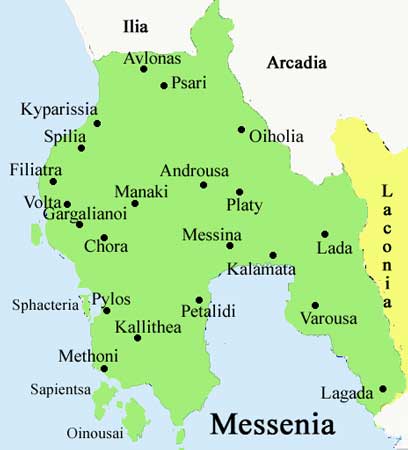
Site: http://www.theoi.com/Heros/Kaukon.html
Monday, March 8, 2010
Wheelock's Latin-Chapters 23-33 Vocab
http://docs.google.com/present/edit?id=0AY6tOzWDGMWVZGdwaHZrNjlfMmNkYmNwN2hr&hl=en
Callisto-Who

Picture: http://www.theoi.com/Heroine/Kallisto.html
Friday, March 5, 2010
The Character of Cimon-Parsed Verbs
Parsed Verbs-
Pervenit-3rd person singular present active indicative of "pervenire" meaning "to come to"
Habebat-3rd person singular imperfect active indicative of "habere" meaning "to have"
Fuerat-3rd person singular pluperfect active indicative of "esse" meaning "to be"
Tenuit-3rd person singular perfect active indicative of "tenere" meaning "to have"
Valuit-3rd person singular perfect active indicative of "valere" meaning "to be strong"
Occidisset-3rd person singular pluperfect active subjunctive of "occidere" meaning "to fall"
Doluerunt-3rd person plural perfect active indicative of "dolere" meaning "to hurt"
Desideraverunt-3rd person plural perfect active indicative of "desidere" meaning "to sit"
Fuit-3rd person singular perfect active indicative of "esse" meaning "to be"
Haberet-3rd person singular imperfect active subjunctive of "habere" meaning "to have"
Poneret-3rd person singular imperfect active subjunctive of "ponere" meaning "to put"
Patere-present active infinitive meaning "to stand open"
Voluit-3rd person singular perfect active indicative of "volvere" meaning "to roll"
Prohiberetur-3rd person singular imperfect passive subjunctive of "prohibere" meaning "to hinder"
Videret-3rd person singular imperfect active subjunctive of "videre" meaning "to see"
Dedit-3rd person singular present active indicative of "dedere" meaning "to give up"
Locupletavit-3rd person singular perfect active indicative of "locupletare" meaning "to enrich"
Iuvit-3rd person singular perfect active indicative of "iuvare" meaning "to help"
Extulit-3rd person singular perfect active indicative of "effero" meaning "to carry out"
Est-3rd person singular present active indicative of "esse" meaning "to be"
Fuit-3rd person singular perfect active indicative of "esse" meaning "to be"
Fuit-3rd person singular perfect active indicative of "esse" meaning "to be"
Thursday, March 4, 2010
The Character of Cimon
Cimon quickly came to the highest honor. For he had enough eloquence, the highest courtesy, and a great knowledge of law and military matters, that with father and son in the army. Therefore, that witty man of the populous easily has your power and at the army he is strong with the greatest authority.
Wednesday, March 3, 2010
Chapter 32-SA-Parsed Verbs
Praebetur-3rd person singular present passive indicative of "praebere" meaning "to offer"
Amittitur-3rd person singular present passive indicative of "amittere" meaning "to lose"
Vivere-present active infinitive meaning "to live"
Potes-2nd person singular present active indicative of "posse" meaning "to be able to"
Remanere-present active infinitive meaning "to remain"
Feremus-1st person plural future active indicative of "ferre" meaning "to bring"
Vivere-present active infinitive meaning "to live"
Sit-3rd person singular present active subjunctive of "esse" meaning "to be"
Dixit-3rd person singular perfect active indicative of "dicere" meaning "to say"
Vellet-3rd person singular imperfect active subjunctive of "velle" meaning "to want"
Congregantur-3rd person plural present passive indicative of "congregare" meaning "to gather into a flock"
Amo-1st person singular present active indicative of "amare" meaning "to love"
Credunt-3rd person plural present active indicative of "credere" meaning "to trust"
Volunt-3rd person plural present active indicative of "velle" meaning "to want"
Aveniunt-3rd person plural present active indicative of "venire" meaning "to come" + enclitic
Volunt-3rd person plural present active indicative of "velle" meaning "to want"
Nolunt-3rd person plural present active indicative of "nolle" meaning "to not want"
Contendere-present active infinitive meaning "to stretch"
Vincere-present active infinitive meaning "to defeat"
Facere-present active infinitive meaning "to make"
Dicere-present active infinitive meaning "to say"
Vivunt-3rd person plural present active indicative of "vivere" meaning "to live"
Laudant-3rd person plural present active indicative of "laudare" meaning "to praise"
Movetur-3rd person singular present passive indicative of "movere" meaning "to move"
Scire-present active infinitive meaning "to know"
Sit-3rd person singular present active subjunctive of "esse" meaning "to be"
Ridet-3rd person singular present active indicative of "ridere" meaning "to laugh at"
Dant-3rd person plural present active indicative of "dare" meaning "to give"
Discere-present active infinitive meaning "to learn"
Velint-3rd person plural present active subjunctive of "velle" meaning "to want"
Flere-present active infinitive meaning "to cry"
Est-3rd person singular present active indicative of "esse" meaning "to be"
Tuesday, March 2, 2010
Chapter 32 SA 1-8
- He was offered the not easy situation, and besides the easy situation was suddenly lost.
- You are not able to live with us even now for a considerable time; you do not want to remain; we do not bring it.
- You wish to live right? Who doesn't?
- Many of you do not want what may happen.
- He told me what he truly wants.
- Pairs are easily gather into a flock with pairs.
- I love you more than my eyes.
- Men believe that it is willing because they wish it to be.
Monday, March 1, 2010
Sallust
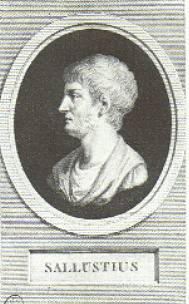
Source: http://en.wikipedia.org/wiki/Sallust
Friday, February 26, 2010
Marc Antony

Source: http://en.wikipedia.org/wiki/Mark_Antony
Thursday, February 25, 2010
Caesar's Illness
 Caesar suffered from epilepsy, and is recorded by Plutarch to have had a seizure right before battle. Caesar often tried to cover this weakness up, but strange fits of migraine, as well as loss of consciousness and seizure, were on record. It is said that his first epileptic attack occurred in Cordoba. Caesar used warfare as a tonic for his health, to make his body strong to fight the epilepsy.
Source: http://everything2.com/title/Julius+Caesar%2527s+illness
Wednesday, February 24, 2010
Caesar's Love Life
Source: http://www.royalty.nu/Europe/Rome/Caesar.html
Tuesday, February 23, 2010
Caesar's Tactics
 Caesar was a master of the art of war. He won many battles while risking little on the battlefield. The legions of Rome were forever stretched thin, and yet Caesar still avoided much head-to-head conflict. By using strategies such as sieges, Caesar minimized conflict and lose of Rome's time and resources. The Roman public appreciated the succinctness of Caesar's wars.
Sources: http://www.wellplacedpottery.org/alec/literature/caesar.html
Monday, February 22, 2010
CH 29-38 Latin Stories
Parsed verbs-
facere-present active infinitive meaning "'to make"
possunt-3rd person plural present active indicative of "posse" meaning "to be able to"
puto-1st person singular present active indicative of "putare" meaning "to believe"
pugnat-3rd person singular present active indicative of "pugnare" meaning "to fight"
videtur-3rd person singular present passive indicative of "videre" to "to seem"
docere-present active infinitive meaning "to teach"
movere-present active infinitive meaning "to move"
videatur-3rd person singular present passive subjunctive of "videre" meaning "to seem"
dicit-3rd person singular present active indicative of "dicere" meaning "to say"
est-3rd person singular present active indicative of "esse" meaning "to be"
Friday, February 19, 2010
Minthe Vs. Mint-Why?

Picture:http://www.theoi.com/Flora2.html
Thursday, February 18, 2010
Parsing Check-part deux
Chapter 30 SA verbs
videtis-second person plural present active indicative of "videre" meaning "to see"
leges-second person singular present active subjunctive of "legere" meaning "to choose"
sit-3rd person singular present active subjunctive of "esse" meaning "to be"
sit-3rd person singular present active subjunctive of "esse" meaning "to be"
dicam-1st person singular future active indicative of "dicere" meaning "to say"
rogabat-1st person singular imperfect active indicative of "rogare" meaning "to ask"
cessissent-3rd person plural imperfect active subjunctive of "cedere" meaning "to believe"
scio-1st person singular present active indicative of "scire" meaning "to know"
sit-3rd person singular present active subjunctive of "esse" meaning "to be"
videamus-1st person plural present active subjunctive of "videre" meaning "to see"
scribere-present active infinitive meaning "to write"
possit-3rd person singular present active subjunctive of "posse" meaning "to be able to"
dubitabant-3rd person plural imperfect active indicative of "dubitare" meaning "to doubt"
esset-3rd person singular imperfect active subjunctive of "esse" meaning "to be"
incipiam-1st person singular future active indicative of "incipere" meaning "to start"
exponere-present active infinitive meaning "to set forth"
creet-3rd person singular present active subjunctive of "creare" meaning "to create"
est-3rd person singular present active indicative of "esse" meaning "to be"
videre-present active infinitive meaning "to see"
careas-2nd person singular present active subjunctive of "carere" meaning "to desire"
relegi-1st person singular perfect active indicative of "relegere" meaning "to reread"
dicit-3rd person singular present active indicative of "dicere" meaning "to say"
sit-3rd person singular present active subjunctive of "esse" meaning "to be"
rogabis-2nd person singular future active indicative of "rogare" meaning "to ask"
agere-present active infinitive meaning "to lead"
possis-2nd person plural present active subjunctive of "posse" meaning "to be able to"
paret-3rd person singular present active subjunctive of "parare" meaning "to prepare"
habere-present active infinitive meaning "to have"
est-3rd person singular present active indicative of "esse" meaning "to be"
discedere-present active infinitive meaning "to march off"
discedere-present active infinitive meaning "to march off"
sit-3rd person singular present active subjunctive of "esse" meaning "to be"
scire-present active infinitive meaning "to know"
credo-1st person singular present active indicative of "credere" meaning "to trust"
Wednesday, February 17, 2010
Parsing Check
ID and Parse all verbs CH 29 and 30 SA
CH 29
vincit-3rd person singular present active indicative of "vincere" meaning "to defeat"
cedamus-1st person plural present active subjunctive of "cedere" meaning "to believe"
condidi-1st person singular perfect active indicative of "condere" meaning "to put together"
vidi-1st person singular perfect active indicative of "videre" meaning "to seem"
explevi-1st person singular perfect active indicative of "explere" meaning "to fill out"
dederant-3rd person plural pluperfect active indicative of "dare" meaning "to give"
eras-2nd person singular imperfect active indicative of "esse" meaning "to be"
molliri-present passive infinitive of "mollire" meaning "to soften"
posses-2nd person singular imperfect active subjunctive of "posse" meaning "to be able"
est-3rd person singular present active indicative of "esse" meaning "to be"
molliri-present passive infinitive of "mollire" meaning "to soften"
possit-3rd person singular present active subjunctive of "posse" meaning "to be able to"
est-3rd person singular present active indicative of "esse" meaning "to be"
scribere-present active infinitive meaning "to write"
est-3rd person singular present active indicative of "esse" meaning "to be"
teneat-3rd person singular present active subjunctive of "tenere" meaning "to have"
fuit-3rd person singular perfect active indicative of "esse" meaning "to be"
reprimerent-3rd person plural imperfect active subjunctive of "reprimere" meaning "repress"
est-3rd person singular present active indicative of "esse" meaning "to be"
sit-3rd person singular present active subjunctive of "esse" meaning "to be"
vincant-3rd person plural present active subjunctive of "vincere" meaning "to defeat"
praestiterunt-3rd person plural perfect active indicative of "praestare" meaning "to excel"
superarent-3rd person plural imperfect active subjunctive of "superare" meaning "to be above"
perterruerunt-3rd person plural perfect active indicative of "perterrere" meaning "to frighten greatly"
refugerunt-3rd person plural perfect active indicative of "refugere" meaning "to run away"
petat-3rd person singular present active subjunctive of "petere" meaning "to attack"
dicuntur-3rd person plural present passive indicative of "dicere" meaning "to say"
superaret-3rd person singular imperfect active subjunctive of "superare" meaning "to be above"
sint-3rd person plural present active subjunctive of "esse" meaning "to be"
discant-3rd person plural present active subjunctive of "discere" meaning "to learn"
est-3rd person singular present active indicative of "esse" meaning "to be"
possit-3rd person singular present active subjunctive of "posse" meaning "to be able to"
investigari-present passive infinitive meaning "to investigate"
suscipiatur-3rd person singular present passive subjunctive of "suscipere" meaning "to support"
esse-present active infinitive meaning "to be"
videatur-3rd person singular present passive subjunctive of "videre" meaning "to seem"
est-3rd person singular present active indicative of "esse" meaning "to be"
diligamus-1st person plural present active subjunctive of "diligere" meaning "to esteem"
CH 30
sit-3rd person singular present active subjunctive of "esse" meaning "to be"
Subscribe to:
Posts (Atom)